This year has been a significant one for me. I decided to change gears in my career journey and began my MBA at IIM Mumbai. It was not an easy decision. By that point, I already had a master’s degree and had been working in a technically rigorous role for about three years — a role that aligned well with my interest in engineering and technology and offered a comfortable level of professional stability.
Despite this, I felt the need to explore a different dimension of problem-solving. I had my own set of reasons, thought through them carefully, and eventually took a leap of faith — resigning from my job and committing to an MBA. Along with curiosity, there was also a fair amount of nervousness about whether this was the right move.
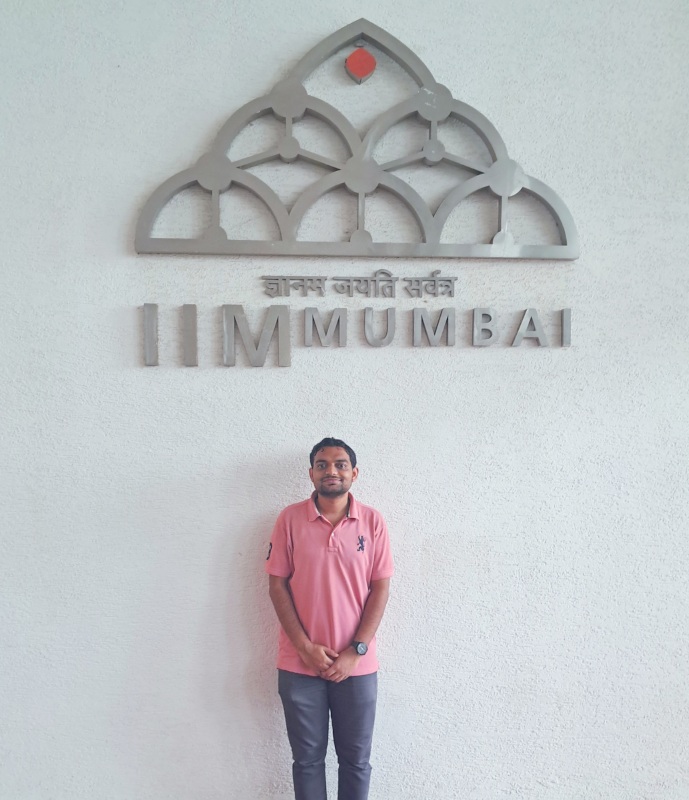 Early days on campus — equal parts excitement and uncertainty
The weeks leading up to joining the programme were intense. Wrapping up responsibilities at work, completing knowledge transfer, packing and sending luggage back home, and handling admission formalities made for a packed schedule. In fact, I reported to campus for admission the morning after my last working day, travelling overnight to reach the institute on time.
The programme began with a two-week induction, which gave us a broad overview of the MBA curriculum along with guest talks by senior industry leaders. It helped set expectations and offered a glimpse into the different domains of management education. Soon after, the first module began.
Unlike engineering, where the academic year is divided into semesters, the MBA programme here follows a trimester structure, likely due to the sheer volume and diversity of courses. The first module included subjects such as economics, marketing, data science, financial accounting, operations, managerial communication, and digital supply chain. I was still adjusting to this new academic environment when, within a month, preparations for the Summer Internship Programme (SIP) began. Alongside academics, we were also participating in case competitions.
Managing academics, SIP preparation, and case competitions simultaneously made the first module extremely hectic. Getting enough sleep often became luxury. However, the learning during this period was immense — from core concepts in courses to structured problem-solving through cases, guestimates, interview preparation, and tackling real business problems in competitions. It was a demanding but rewarding phase.
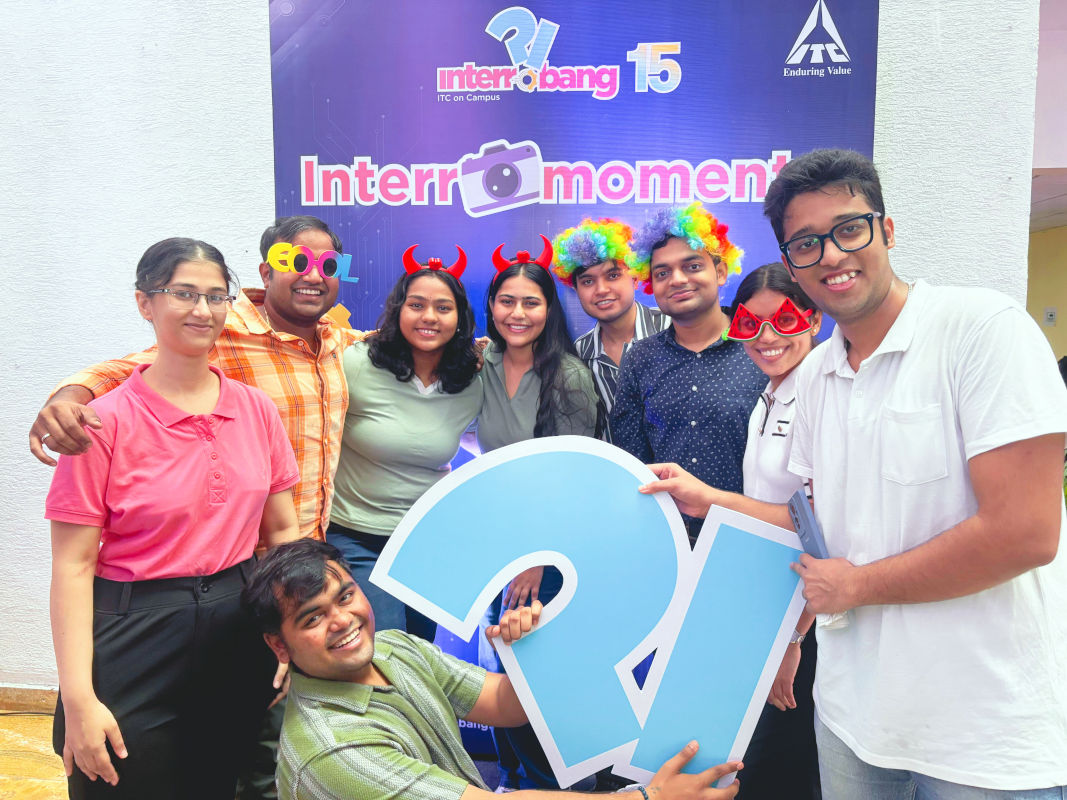 During Interrobang, ITC’s flagship case competition — one of many intense learning experiences in the first module
The second module, which followed immediately, was relatively less hectic but equally rich in learning. My courses included supply chain, AI/ML, corporate finance, workplace behaviour, sustainability, B2B marketing, generative AI, agentic AI, and a finance micro-credit. Compared to the first module, we also found some time to explore Mumbai — something we had barely managed earlier. The presence of multiple festivals during this period added to the experience.
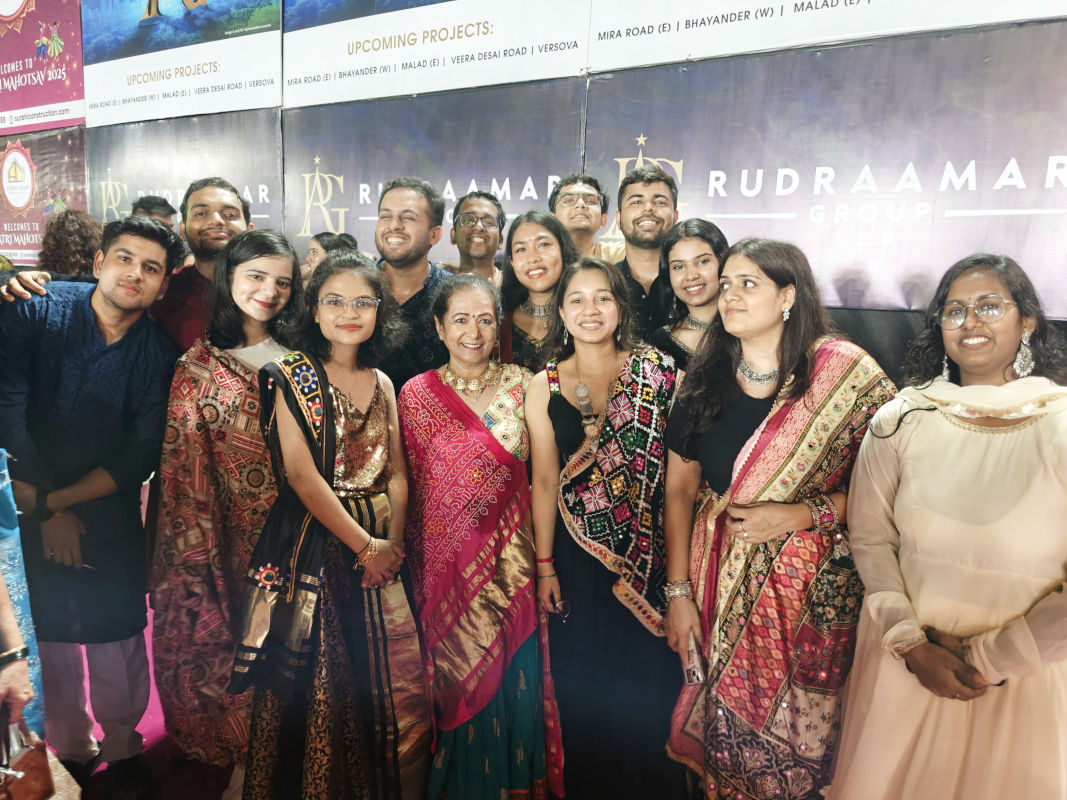 A much-needed breather during Dandiya night — small moments that made the journey memorable
With two modules completed, I can clearly see the breadth of concepts covered in a short span. Several ideas have reshaped how I think — from learning value analysis of stocks and bonds, to understanding customer behaviour and marketing strategies, to appreciating the psychology of human behaviour in the workplace. One insight that stayed with me was a professor’s remark that humans are sometimes irrational in corporate settings — something I now notice more clearly. I also gained exposure to the many ways AI is being deployed across organisations, and given my background in data science, it was enriching to explore these possibilities more deeply.
Having prior work experience made it easier to relate theory to practice. For instance, I used to wonder why my previous organisation did not invest heavily in advertising. The B2B marketing course helped me understand why advertising may not always be the most effective strategy in B2B contexts. Along the way, I also ended up reading extensively — research papers, cases, articles, business reports, and books.
Now, after completing the first two modules, we have a short break. I’m using this time to rest, reflect, and process everything that has happened so far. I’m looking forward to the upcoming modules and to continuing this learning journey with a clearer perspective than when I started. These are early reflections, and I expect my perspective to evolve as the programme progresses.